


Understanding Flexible Duct Hose – Global Applications & Industry Insights
What Is Flexible Duct Hose & Why It Matters?
Flexible duct hose may sound like a niche technical item, but it’s quietly essential across the globe—from factories humming 24/7 to emergency relief tents pitched after natural disasters. It’s basically a flexible tube designed to transport air, gases, or sometimes dust and fumes. Why care? Because the way clean air moves or dust gets removed impacts worker safety, equipment longevity, energy use, and sometimes, entire humanitarian operations.
Understanding the properties and global use of flexible duct hoses gives a solid insight into industries like HVAC, manufacturing, mining, even disaster relief logistics. It’s a small part with outsized impact.
Mini takeaway: Flexible duct hose is a key connect in moving air and gases safely and efficiently—without it, many critical processes would slow or stop.
Global Context: Industry & Environment Driving Demand
The global market for flexible duct hoses is growing steadily—roughly 5.8% CAGR through 2030, according to industry reports. Why? Increasing urbanization means more buildings need HVAC solutions. Industrial growth in Asia-Pacific and Middle East spurs demand for dust extraction systems. Also, the emphasis on indoor air quality driven by organizations like ISO (ISO 16890) adds fuel to fire.
On the humanitarian front, portability and fast deployment features of flexible ducts help in air ventilation and smoke evacuation during disaster relief and field hospital setups. So the “duct hose” isn’t just a pipe but a frontline player in global safety and health.
Challenges remain: durability under harsh conditions, chemical resistance, and balancing cost with performance keep manufacturers innovating.
Mini takeaway: The flexible duct hose market reflects broader industrial growth patterns and rising health & safety standards worldwide.
Defining Flexible Duct Hose Simply
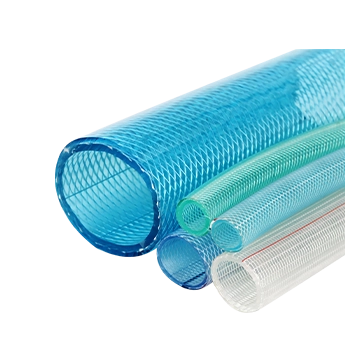
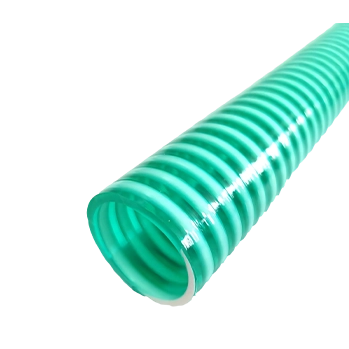
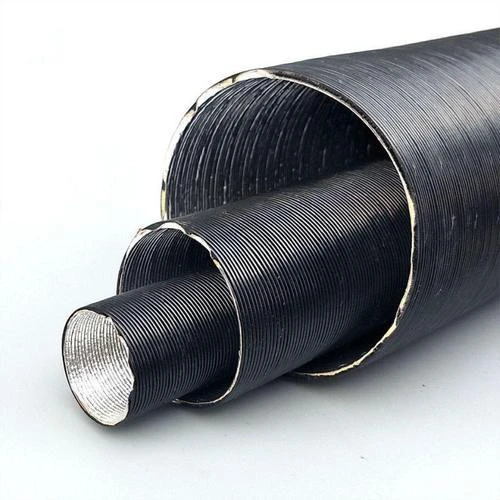
Put simply, a flexible duct hose is a tube made of reinforced fabric, plastic, or metal that can bend and twist without losing integrity. It connects machines and vents, delivering or extracting air, fumes, dust even small particles in tough environments.
Think of it as the “veins” in an industrial or building “body,” carrying vital airflow just where it’s needed—no rigid pipes, no fuss.
In modern industry, that flexibility means faster installations and more adaptable systems. For humanitarian needs, it means lightweight, easy-to-ship ventilation—sometimes a matter of life and death.
Key Factors to Consider When Choosing Flexible Duct Hose
1. Durability and Material Construction
From PVC-coated fabrics to aluminum helix reinforcements, durability varies. Some hoses resist high heat up to 260°C, others are anti-static or chemical resistant. Selecting the right material is crucial for longevity and safety.
2. Flexibility vs. Strength
Oddly enough, the trick is balancing easy bending with strong structural integrity. If it collapses under negative pressure, the whole system fails.
3. Size and Scalability
Diameter options typically range from 2” to over 24”. Scaling up or customizing lengths is common in big industrial projects.
4. Cost Efficiency
Higher-end hoses cost more upfront but often save money long term by avoiding replacements or hazards.
5. Compliance with Safety Standards
Compliance (like UL, CE marks) often dictates use in critical environments especially for explosion-proof or food-grade ducts.
Mini takeaway: Durable materials, combined with the right flexibility and certified safety, create the perfect fit for any task.
Global Applications & Real-World Use Cases
- Post-disaster relief operations: Rapidly deployed ventilation systems in temporary shelters and field hospitals rely heavily on flexible duct hoses.
- Industrial manufacturing zones: Dust extraction in foundries or chemical plants — ensuring worker health and equipment safety.
- HVAC systems: Commercial buildings globally, including skyscrapers in Dubai or factories in Shenzhen, use ducts for temperature control and ventilation.
- Mining and tunnels: Safe air circulation to reduce toxic gas buildup underground.
- Agriculture: Greenhouses and animal husbandry use ducts to regulate air and humidity.
Oddly enough, you might find these ducts in something as mundane as a mobile food truck ventilation system!
Mini takeaway: Flexible duct hoses serve diverse needs globally—industries, regions, and humanitarian efforts all count on them.
Advantages & Long-Term Value of Flexible Duct Hoses
The benefits stack up nicely:
- Cost savings: Lightweight, easy to install, reducing labor and downtime.
- Sustainability: Reusable and recyclable materials increasingly coming into play.
- Safety and worker health: Removing harmful dust and fumes reliably.
- Social impact: Enabling cleaner, healthier air in workplaces and disaster zones.
- Innovation: Easier integration with digital monitoring for airflow or pressure.
Emotionally, there’s peace of mind knowing the air you breathe in an industrial plant is safe—or that a tented clinic has fresh airflow. It builds trust in infrastructure.
Emerging Trends & Innovations
Watch for:
- Eco-friendly materials: Biodegradable plastics or recycled fabrics.
- Smart ducts: Embed sensors for real-time airflow and contamination detection.
- Improved UV and chemical resistance: Extending outdoor and harsh environment lifespan.
- Customization via 3D printing: Tailoring ducts for unique spaces or needs.
- Green energy integration: HVAC ducts designed for optimum energy efficiency to meet sustainability goals.
It’s as if the humble duct is graduating to a “smart pipeline.”
Challenges & Practical Solutions
Challenges usually begin with durability and compatibility. Certain ducts can degrade quickly with UV exposure or harsh chemicals. Others are not rated for extreme heat or static build-up.
Experts recommend:
- Specifying clear requirements upfront.
- Choosing certified, tested products from reputable vendors.
- Regular inspections and preventive replacements.
- Innovations like anti-static coatings and multi-layered fabrics.
Those solutions minimize costly downtime or dangerous accidents, making the entire supply chain more reliable.
FAQ: Your Common Questions About Flexible Duct Hose
- Q: How long does a flexible duct hose typically last in industrial use?
- A: With proper selection and maintenance, flexible duct hoses can last from 3 to 10 years in industrial settings. Factors like temperature, abrasion, and chemical exposure influence lifespan significantly.
- Q: Can flexible duct hoses handle extreme temperatures?
- A: Yes, specialized hoses made from materials like silicone or aramid can withstand temperatures ranging from -40°C up to 260°C or higher, depending on specifications.
- Q: Are flexible duct hoses recyclable or eco-friendly?
- A: Increasingly, manufacturers are offering eco-conscious options made from recyclable or biodegradable fabrics while maintaining performance standards—making them a greener choice.
- Q: How do I choose the right diameter for my HVAC system?
- A: Choose a diameter that matches your airflow needs to maintain proper velocity without excessive noise or pressure drop. Consulting airflow charts or vendor specs helps this decision.
- Q: Can I use flexible duct hose for transporting dust or fumes safely?
- A: Yes, provided the hose is rated for the specific particulate size, chemical composition, and temperature. Always check certifications and chemical resistance data sheets.
Product Specification Table
| Specification | Standard Duct Hose | High-Temp Resistant Hose | Anti-Static Hose |
|---|---|---|---|
| Material | PVC-coated polyester | Silicone reinforced with fiberglass | Polyester with carbon fiber |
| Temperature Range | -20°C to 80°C | -40°C to 260°C | -10°C to 120°C |
| Diameter Range | 50mm to 600mm | 100mm to 500mm | 50mm to 400mm |
| Pressure Rating | -0.2 to +0.3 bar | -0.3 to +0.4 bar | -0.15 to +0.25 bar |
| Certification | UL Listed | CE, RoHS | UL Listed, ATEX |
Vendor Comparison Table for Flexible Duct Hose Providers
| Vendor | Product Range | Customization | Lead Time | Price Tier | Warranty |
|---|---|---|---|---|---|
| Kebing Hose Co. | Wide range: HVAC to High-temp | Highly customizable | 2-4 weeks | Mid | 3 years |
| Alpha Duct Solutions | Standard & anti-static models | Limited customization | 1-3 weeks | Low | 1 year |
| EcoFlex Tubes | Eco-friendly & biodegradable | Moderate customization | 3-5 weeks | Mid-High | 2 years |
Wrapping Up & Next Steps
Flexible duct hoses might just seem like simple tubes, but they’re vital threads in a global tapestry of air handling, health, and industrial efficiency. From job sites in Asia to remote disaster zones in Africa, their presence enables safety and comfort. As materials evolve and smart tech integrates, these unsung heroes will get only more capable and sustainable.
Ready to find the perfect flexible duct hose for your projects? Pop over to flexible duct hose and explore tailored options that match your needs — because airflow matters.
References
-
How to Choose Fuel Oil Hose SAE J30 R6 for Size and Service ConditionsNewsNov.11,2026
-
Flexible High Pressure Top Quality PU Pneumatic Tube Air Hose: Comparing Two PU Tube OptionsNewsNov.03,2026
-
High-Quality Flexible PVC Clear Hose from China: Compatibility, Sizing and Documentation FAQNewsOct.28,2026
-
Choosing PU Anti-Sprial Hose: Medium, Dimensions and Operating ConditionsNewsOct.24,2026
-
Choosing Plastic PVC Water Pump Suction Hose from a Cost-Effective PVC Water Hose Supplier: Medium, Dimensions and Operating ConditionsNewsOct.24,2026
-
Choosing ALUMINUM FOIL VENTILATION DUCT: Application Fit and Specification ChecksNewsOct.24,2026
 Afrikaans
 Albanian
 Arabic
 Azerbaijani
 Belarusian
 Bengali
 Bulgarian
 Czech
 Danish
 Dutch
 Finnish
 French
 German
 Greek
 Hebrew
 Hindi
 Hungarian
 Indonesian
 Irish
 Italian
 Japanese
 Kazakh
 Korean
 Kyrgyz
 Lao
 Latin
 Lithuanian
 Luxembourgish
 Malay
 Mongolian
 Myanmar
 Nepali
 Norwegian
 Persian
 Polish
 Portuguese
 Russian
 Serbian
 Slovak
 Spanish
 Swedish
 Tagalog
 Thai
 Turkish
 Ukrainian
 Uighur
 Uzbek
 Vietnamese
 Welsh
 English







